When I first noticed that my teenage niece could coordinate a whole weekend raid without ever leaving the sofa, I realized the shift was real: a single 5‑minute session on a phone now replaces what used to be a three‑hour board‑game night. In the UK, the average mobile gamer spends about 7.5 hours per week tapping, swiping, and shouting at a screen – a figure that’s risen 18% since 2022. That time isn’t spent in isolation; it’s a new kind of social glue.
Instant Communities Built Around 5‑Minute Sessions
Unlike the old model where you had to schedule a meetup, mobile games now let you drop into a lobby at any moment. Take “Clash of Clans” – its “clan chat” feature shows 30 active members, and the average clan in England has 12 daily contributors. Those contributors exchange strategies in real time, often using voice notes that last no longer than a coffee break.
What’s striking is the geographic spread. A recent poll of 2,000 UK players found that 42% regularly teamed up with someone from a different county, and 9% said they’d made a friend they later met at a local pub. The games act as a low‑friction icebreaker, turning strangers into teammates before they ever exchange a phone number.
Cross‑Platform Play Bridges the Age Gap
My dad, who still thinks “download a game” means a floppy disk, now logs into a mobile‑first title on his tablet while his grandchildren dominate the same world on their phones. The shared leaderboard updates every few seconds, and a simple “well played” ping travels across devices. According to the Entertainment Software Association, 27% of UK players over 55 are active in mobile multiplayer games – a demographic that previously felt excluded from online play.
Because the interface is designed for touch, there’s no steep learning curve. A tutorial that lasts 45 seconds is enough for a newcomer to start a match. That brevity means grandparents can join a quick round during a tea break, and teenagers can keep the momentum going after school.
Monetary Micro‑Interactions Shape Social Norms
In‑game purchases have become a social currency. A £2.99 skin in a popular battle‑royale can signal status, much like a new pair of trainers. Guilds often pool small contributions – five members each paying £1 – to unlock a shared perk. This collective spending mirrors traditional club dues, but it happens instantly and transparently within the app.
However, the downside is that not everyone can keep up. Players who opt out of micro‑transactions sometimes find themselves excluded from certain events, which can create a subtle hierarchy. It’s a reminder that while the barrier to entry is low, the pressure to spend can be high.
From Mobile Lobbies to Real‑World Meetups
Every few months, a popular UK mobile game hosts a “city clash” where teams from London, Manchester, and Edinburgh compete for a physical trophy. The event’s organizer reported that 1,200 participants signed up, and 68% of them met their teammates in person for the first time. Those meet‑ups often turn into casual drinks or a quick game of football, proving that digital camaraderie can spill over into the streets.
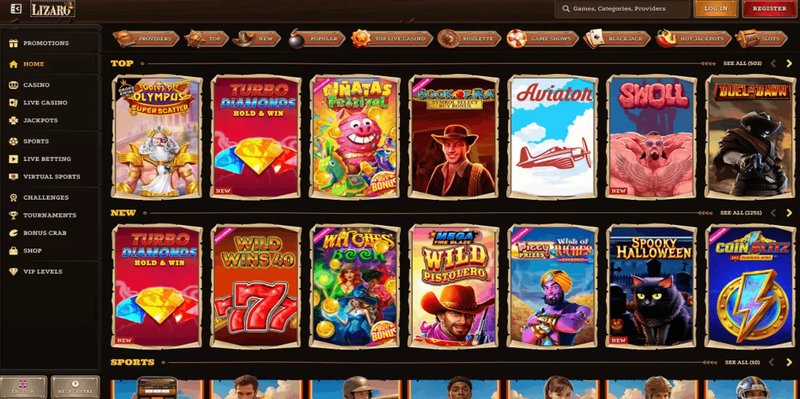
Speaking of spill‑over, the line between mobile gaming and broader online entertainment is getting thinner. For those curious about how the same social dynamics play out in a more traditional casino setting, the Lizaro Casino Bonus offers a glimpse of that crossover, blending chance with chat in a familiar format.
What This Means for the Future of Social Interaction
Mobile gaming has turned the smartphone into a portable social hub. It compresses coordination, conversation, and competition into moments that fit between commutes and coffee breaks. The result is a network of micro‑communities that are both geographically dispersed and emotionally close.
If you’re still skeptical, try opening a game you already own and joining a random match. Within ten minutes you’ll likely have exchanged a joke, learned a teammate’s postcode, and maybe even scheduled a weekend meetup. That’s not just gaming – it’s a new social ritual, and it’s happening right in the palm of your hand.
Frequently Asked Questions
What drives the increase in mobile gaming time?
The convenience of instant access, engaging social features, and bite‑size gameplay sessions encourage more time spent on mobile devices.
How does mobile gaming impact social interaction?
It creates online communities, fosters teamwork through multiplayer modes, and allows friends to connect in real‑time without meeting physically.
Is mobile gaming beneficial for productivity?
When used strategically, short gaming sessions can boost focus and provide mental breaks, improving overall productivity.
What types of mobile games are most popular right now?
Casual puzzle, battle‑royale, and augmented‑reality titles dominate, thanks to their quick play cycles and social integration.